 Pragmatism·Innovation·Excellence
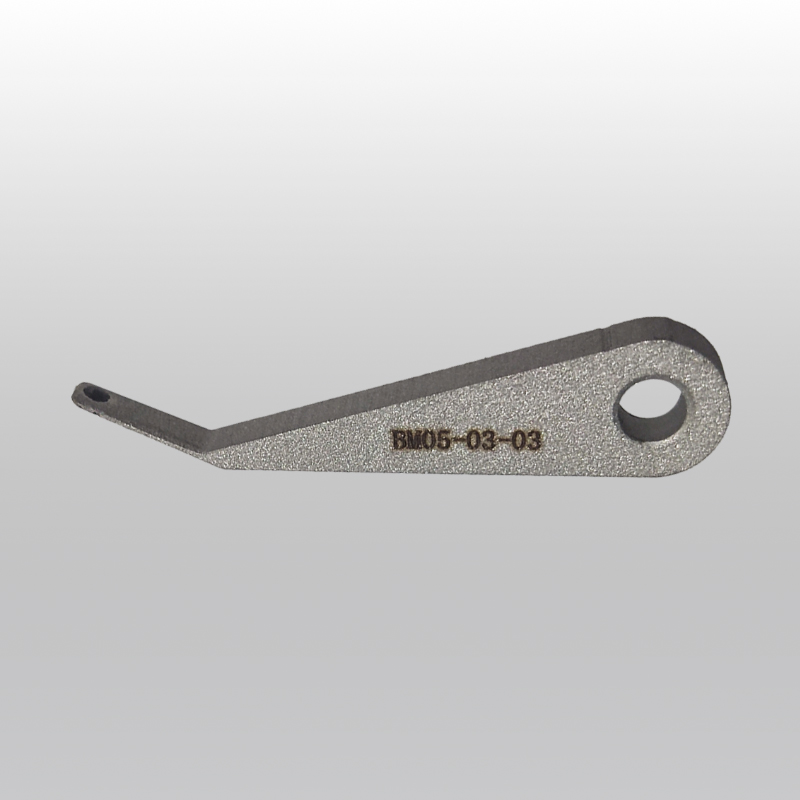
Friends who do precision machining, quality inspection and measurement know that the stability of measuring accessories directly determines the qualification rate of finished workpieces! Ordinary measuring claws are prone to wear, drift in accuracy, and frequent replacement, which not only delays the construction period but also increases production costs. Shili brand has been deeply involved in the diamond tool industry for more than 20 years. This self-developed and self-produced diamond measuring claw is specially designed for high-end precision measurement scenarios, solving the problems of measurement errors and consumables loss from the root!
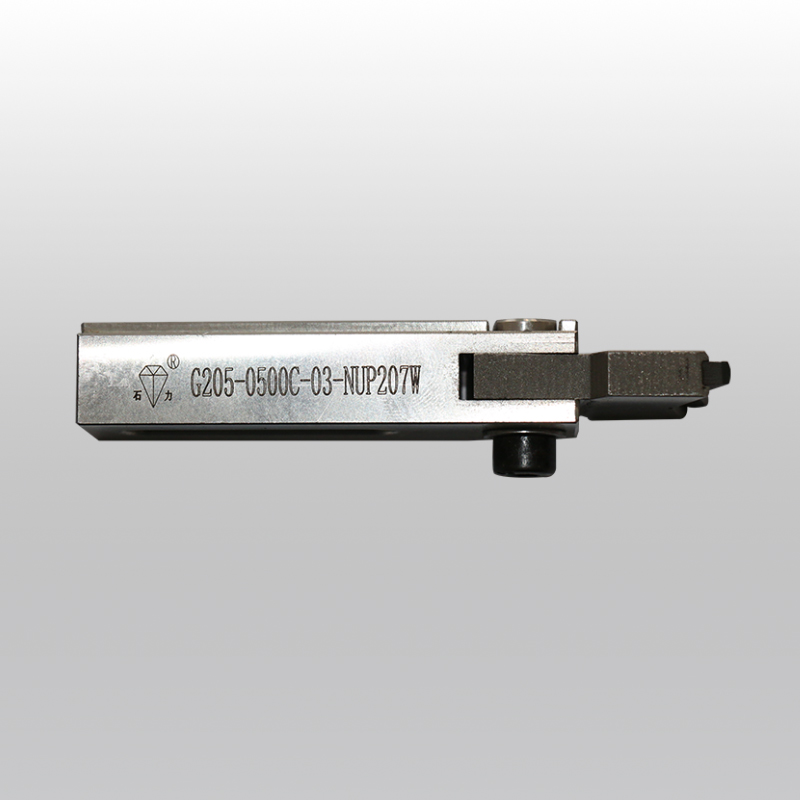
Most factories engaged in precision grinding share a common misconception: they blindly upgrade to high-end grinders and premium grinding wheels, yet overlook the unassuming workholding supports.
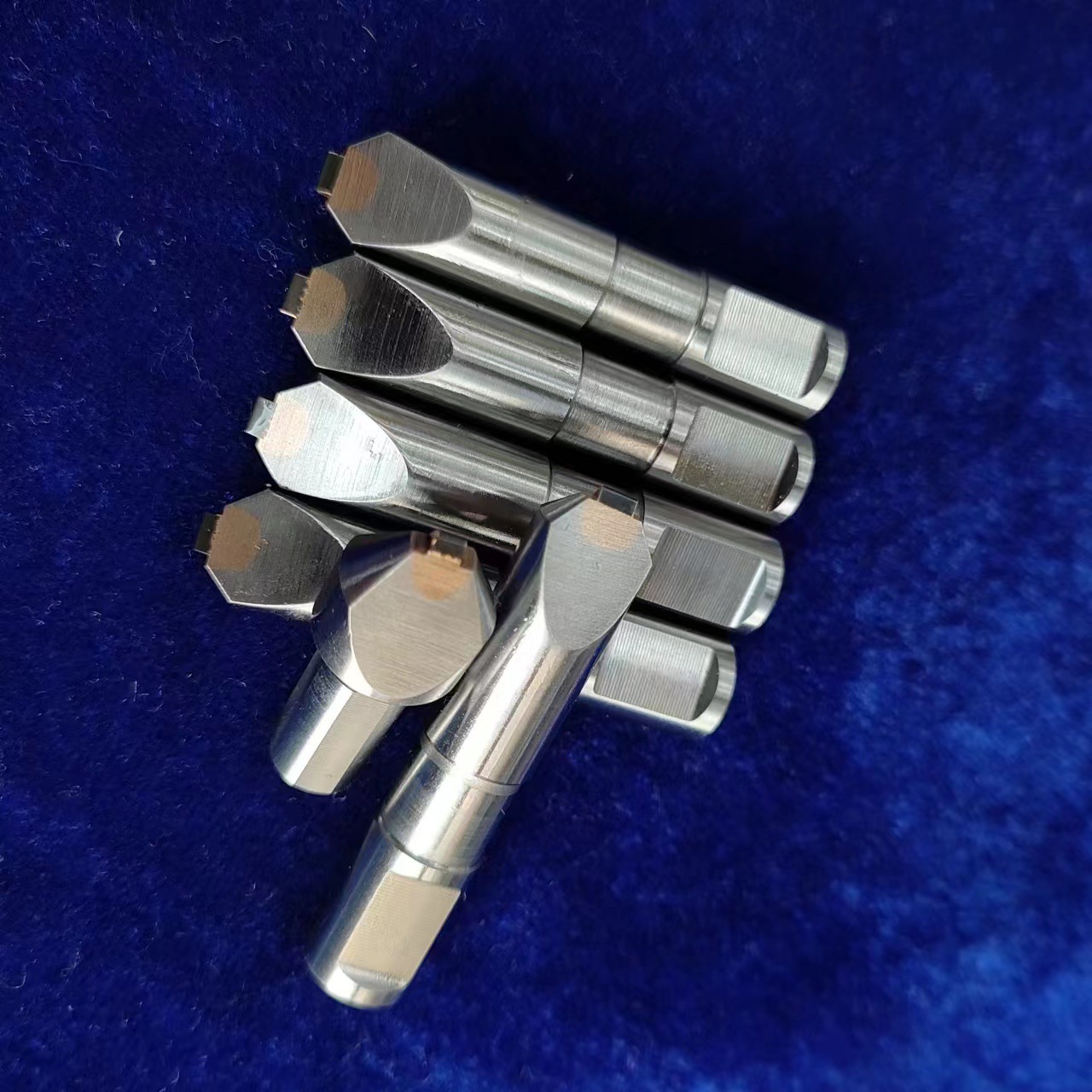
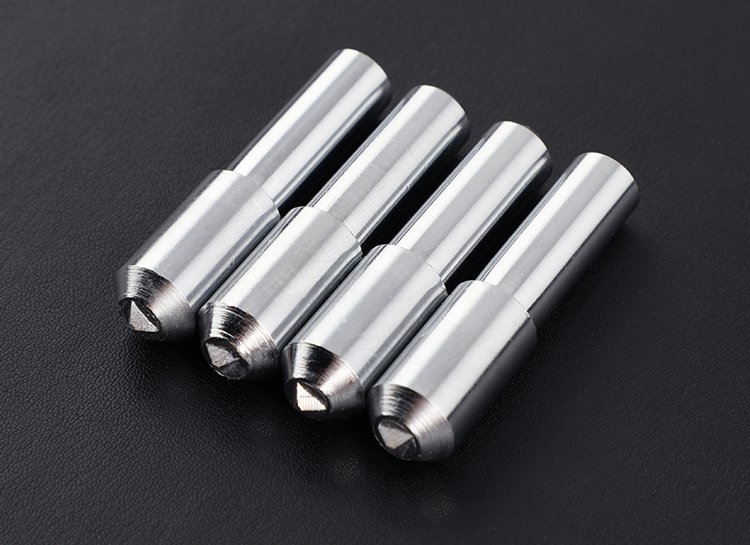
In the grinding industry, the grinding wheel is the core of the grinding process, while the diamond dresser is the key accessory for maintaining the wheel's condition. Many workshop operators and machinists have encountered the same issue: conventional dressers have a short service life, with diamond grains falling off and the tip wearing down quickly. This results in uneven surfaces on the dressed grinding wheel, leading to burrs, scratches, and difficulty achieving dimensional accuracy on machined parts. Frequent replacement of dressers not only increases consumable costs but also disrupts production flow by stopping operations for part changes, inadvertently raising factory production expenses. Henan Shili, with years of experience in diamond tool manufacturing, has deepened its roots in the machining sector. By optimizing products based on various grinding machine operating environments, it has developed diamond dressers suitable for multiple scenarios.

Spring Unfolds in Shenzhen, Intelligence Converges in Industry. From March 31 to April 3, the 27th ITES Shenzhen Industrial Exhibition will grandly open at the Shenzhen World Exhibition & Convention Center (Bao'an). As an industry gathering global high-end equipment and advanced manufacturing forces, it will serve as a core platform to connect industrial chains and explore new opportunities in the sector. Henan Shili Diamond Products Co., Ltd., with over three decades of craftsmanship and innovation in the superhard materials field, cordially invites new and existing clients to join this industrial feast, discuss cooperation, and usher in a new era of precision manufacturing.
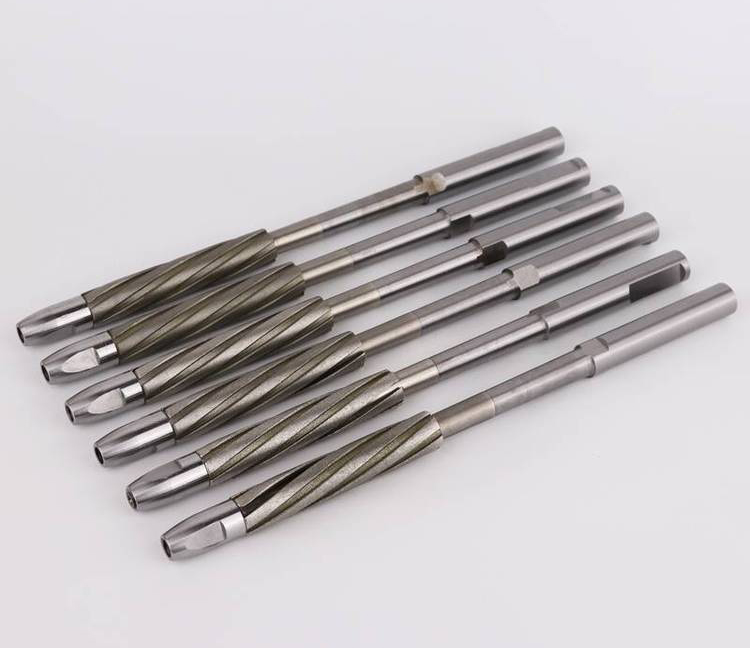
In the field of precision mechanical machining, the accuracy, efficiency, and stability of internal hole machining directly determine product quality and corporate profitability. Addressing the pain points of traditional tools, such as rapid wear, unstable precision, and frequent tool changes, Shili Diamond Reamers stand out with their ultra-hard material and meticulous craftsmanship, becoming the preferred solution for precision hole machining across multiple industries. They help enterprises overcome processing bottlenecks and enhance core competitiveness.
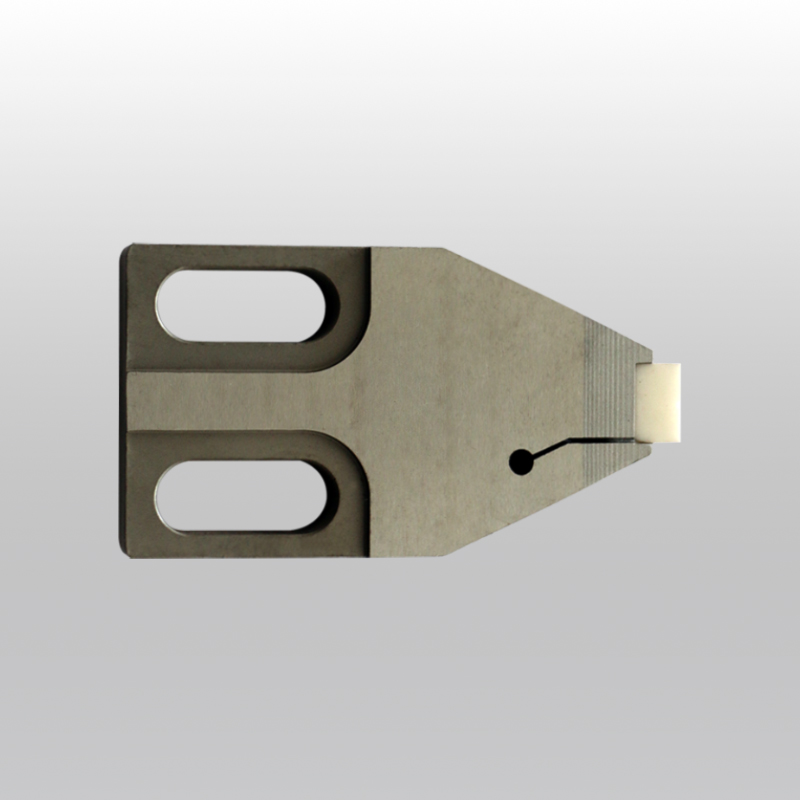
"Supporting role" must be translated as "supporting role" In the precision machining workshop where machine tools roar, we often see various cutting tools and grinding tools operating at high speeds, yet rarely notice those silent "behind-the-scenes supporting roles" that bear the pressure and maintain precision. Among them, diamond support stands as a low-profile yet crucial element—it does not face the cutting process like diamond tools or rollers, but with its extreme hardness and stability, it upholds the precision baseline of high-end manufacturing.
As a factory owner or production line manager in mechanical processing, are you constantly being overwhelmed by these challenges, leaving you with a headache every day?
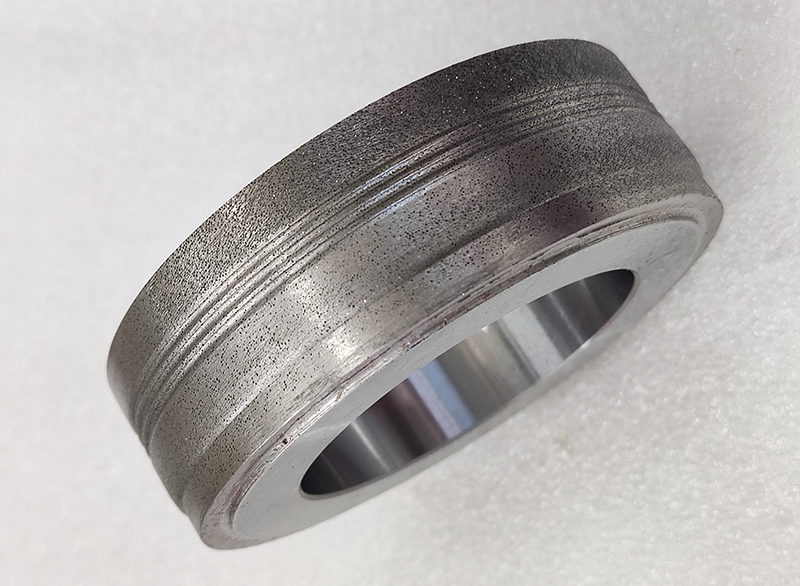
"Three grinding machines are running non-stop, yet we still can't keep up with orders; the master is working overtime every day, yet the defective rate is shockingly high!" This is a common anxiety shared by many bosses in the mechanical processing industry. Do you think it's due to outdated equipment or insufficient manpower? In fact, the "invisible productivity assassin" hidden in the production process is the improper selection of grinding wheel dressing tools.
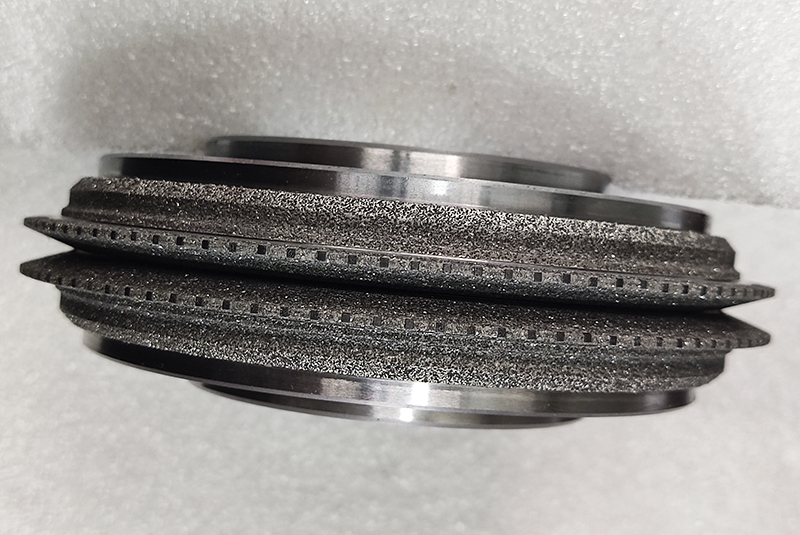
"Even with three grinding machines running non-stop, we still can't keep up with the orders. The master is working overtime every day, but the defective rate is shockingly high! "Using a single-point diamond pen to repair an arc raceway, we spend a long time adjusting the precision, but it's still not right.

Diamond Grinding Wheel: The King Among Grinding Wheels Have you ever noticed that craftsmen use sophisticated tools when polishing hard materials? For instance, when working with jade, ordinary sandpaper is useless—specialized tools are essential to achieve a smooth and radiant finish. Today, we’ll explore the undisputed king of the grinding world—the diamond grinding wheel.